







Вагиф Казимов – высококвалифицированный и опытный юрист с подтверждённой экспертизой в управлении сложными юридическими департаментами и предоставлении стратегических консультаций организациям в различных секторах, включая корпоративное право, банкротство и международный бизнес. На протяжении карьеры он последовательно демонстрировал исключительные лидерские качества, глубокую юридическую экспертизу и комплексное понимание как национальных, так и международных правовых систем.
Индивидуальный
подход
подход
Международный
опыт
опыт
Эффективные
решения
решения

Кто мы
Мы — эксперты в области права, преданные своим клиентам
Cerberus Legal – бутиковая юридическая фирма, предоставляющая полный спектр юридических консультационных услуг для местных и иностранных предприятий в Узбекистане.
Наш главный офис находится в Ташкенте, Узбекистан. Мы сотрудничаем с многонациональными частными и государственными организациями, а также с малым и средним бизнесом. Наши юристы обладают обширными знаниями узбекского и международного права.
Области специализации включают, помимо прочего, Международное Частное и Публичное Право, Трудовое Право, Корпоративное Право, Коммерческое Право, Слияния и Поглощения, Посредничество, Урегулирование долгов и Разрешение споров, Банковское дело и Финансы, Недвижимость и Строительства, Юридическая экспертиза, Инвестиции, Интеллектуальная собственность и Патентное Право.
Юридическая помощь
Наши решения ваших юридических проблем
Быстрая помощь и советы
Быстрое и надежное руководство для всех ваших юридических нужд. Мы здесь, чтобы предоставить экспертные советы и поддержку, когда вам это нужно больше всего.
Индивидуальный подход
Персонализированная юридическая поддержка, учитывающая специфику вашего дела, гарантирует эффективные и целенаправленные результаты.
Эффективные решения для наших клиентов
Предоставляя выдающиеся услуги и результаты, мы отдаем приоритет потребностям наших клиентов, чтобы гарантировать их полное удовлетворение.

Эксперты
Познакомьтесь с командой
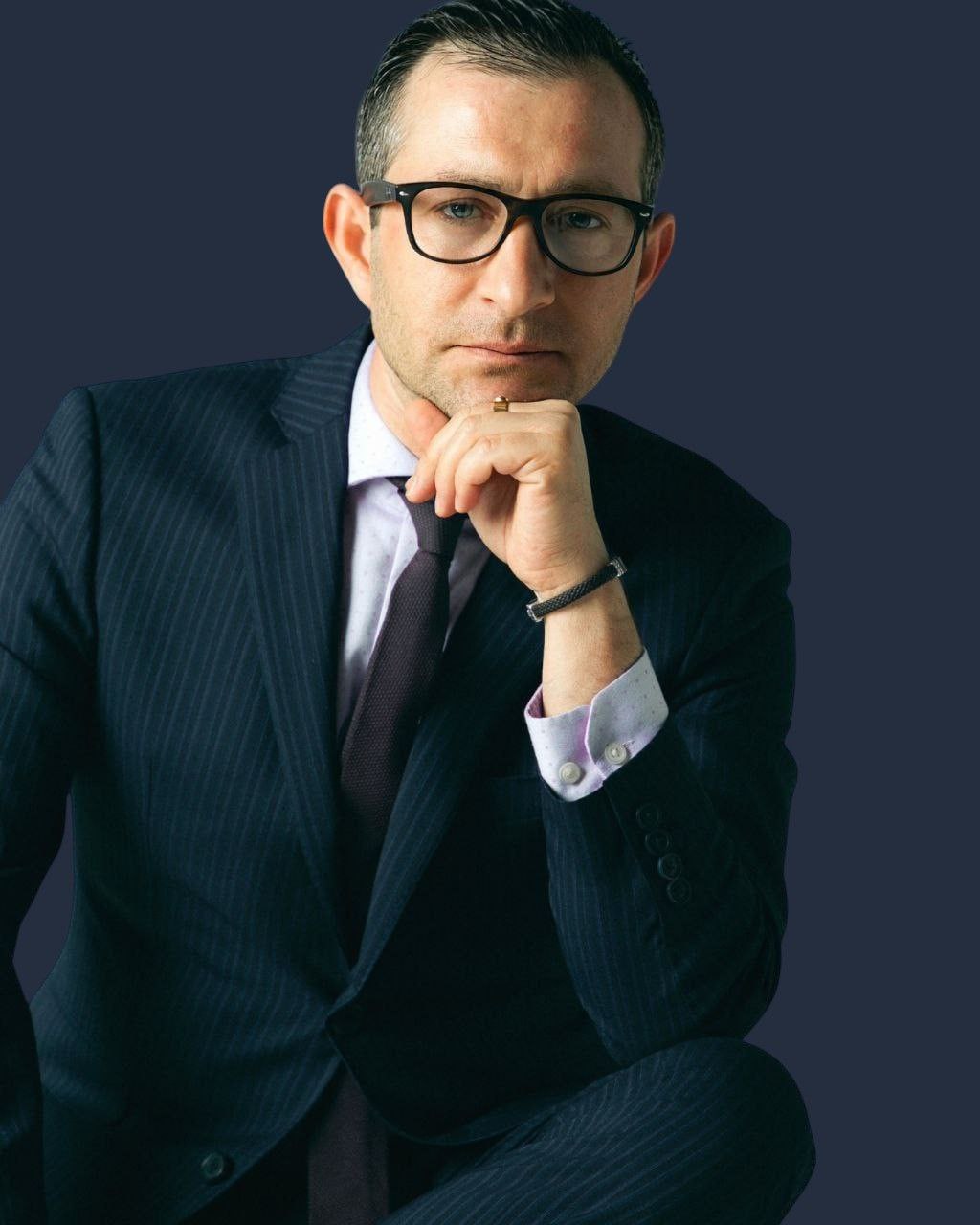 Управляющий партнер
Вагиф Казимов
×
Специализация:
Корпоративное управление, Слияния и поглощения, Инвестиции, Банкротство, Международные сделки, Юридическая экспертиза, Трудовые отношения, Медиация
Образование:
2001 – Степень бакалавра Международного Права (Университет Мировой Экономики и Дипломатии)
2006 – Степень магистра Международного и Европейского права (Бременский университет)
Языки:
Английский, Русский, Узбекский, Немецкий.
Контакты:
Email: vagif.kazimov@cerberus.legal
Номер телефона: + 998 (90) 044 40 33
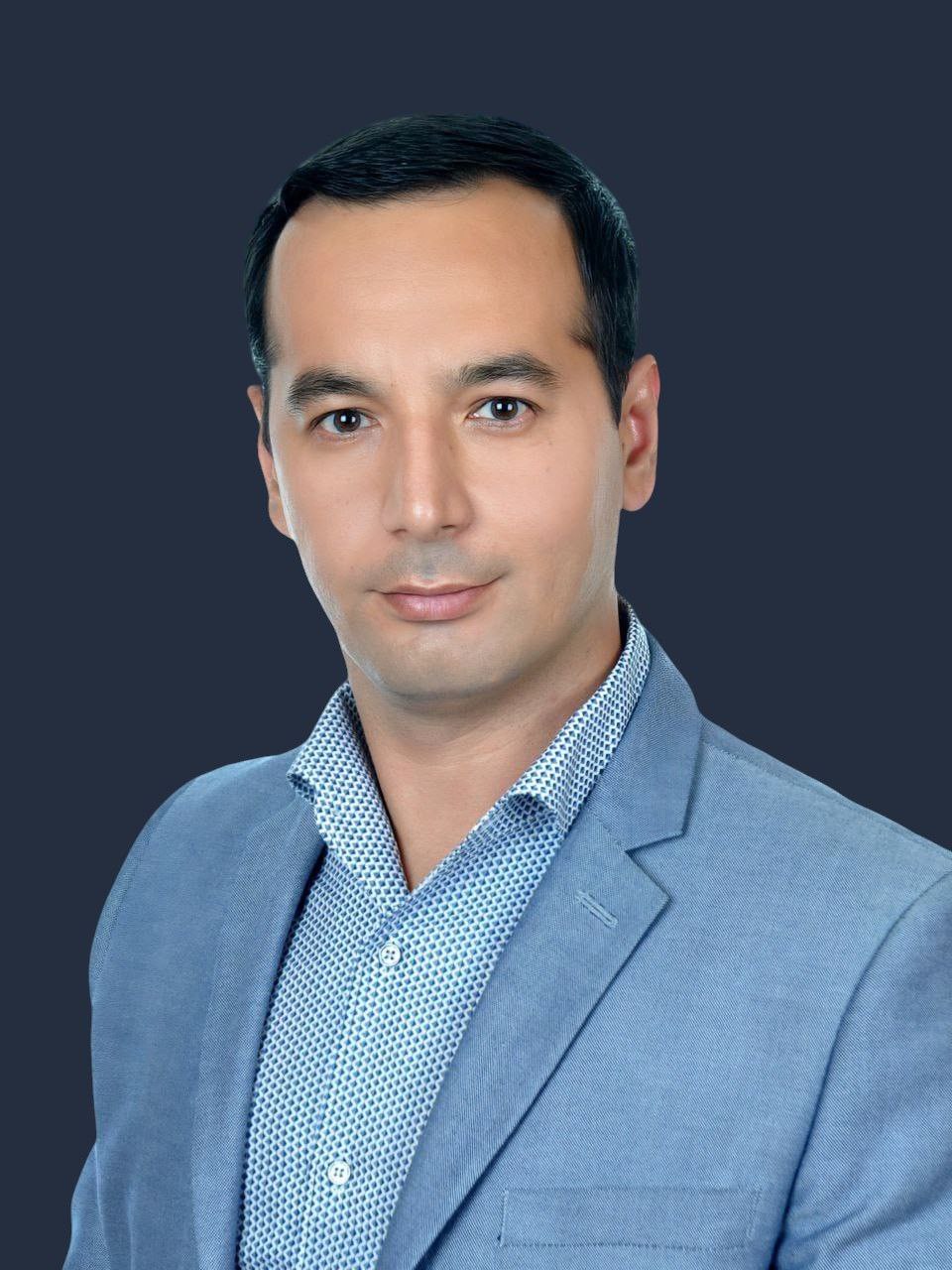 Партнер
Дилшод Рузметов
×
Дильшод имеет более 20 лет юридического опыта в сфере прав человека, защиты прав потребителей, антимонопольного и спортивного права.
Участник международных семинаров, тренингов и конференций. Соавтор поправок в Законы Республики Узбекистан «О защите прав потребителей» и «О рекламе». Инициатор иска о возмещении морального вреда за некачественные услуги и нарушения прав потребителей. Автор единственного в Узбекистане формально-юридического судебного прецедента о возмещении морального вреда. Прецедент вошел в сборники судебной практики судов Республики Узбекистан.
Автор спортивных статей. Занимается составлением и анализом спортивных контрактов в соответствии с регламентом ФИФА. А также досудебным разрешением конфликтов между футбольными клубами и игроками в качестве медиатора. Готовит документы и иски в органы ФИФА и Спортивный арбитражный суд (CAS).
Специализация:
Спортивное право, Международные сделки, Права человека, Гражданское право, Антимонопольное право, Защита прав потребителей
Образование:
2001 – Степень бакалавра Международного Права (Университет Мировой Экономики и Дипломатии)
2003 - Степень магистра Международного Права (Университет Мировой Экономики и Дипломатии)
2011 – Степень магистра Международного и Европейского права (Бременский университет)
Языки:
Английский, Русский, Узбекский, Немецкий.
Контакты:
Почта: dilshod.ruzmetoff@cerberus.legal
Номер телефона: + 998 (90) 044 40 33
Специализация:
Спортивное право, Международные сделки, Права человека, Гражданское право, Антимонопольное право, Защита прав потребителей
Образование:
2001 – Степень бакалавра Международного Права (Университет Мировой Экономики и Дипломатии)
2003 - Степень магистра Международного Права (Университет Мировой Экономики и Дипломатии)
2011 – Степень магистра Международного и Европейского права (Бременский университет)
Языки:
Английский, Русский, Узбекский, Немецкий.
Контакты:
Почта: dilshod.ruzmetoff@cerberus.legal
Номер телефона: + 998 (90) 044 40 33
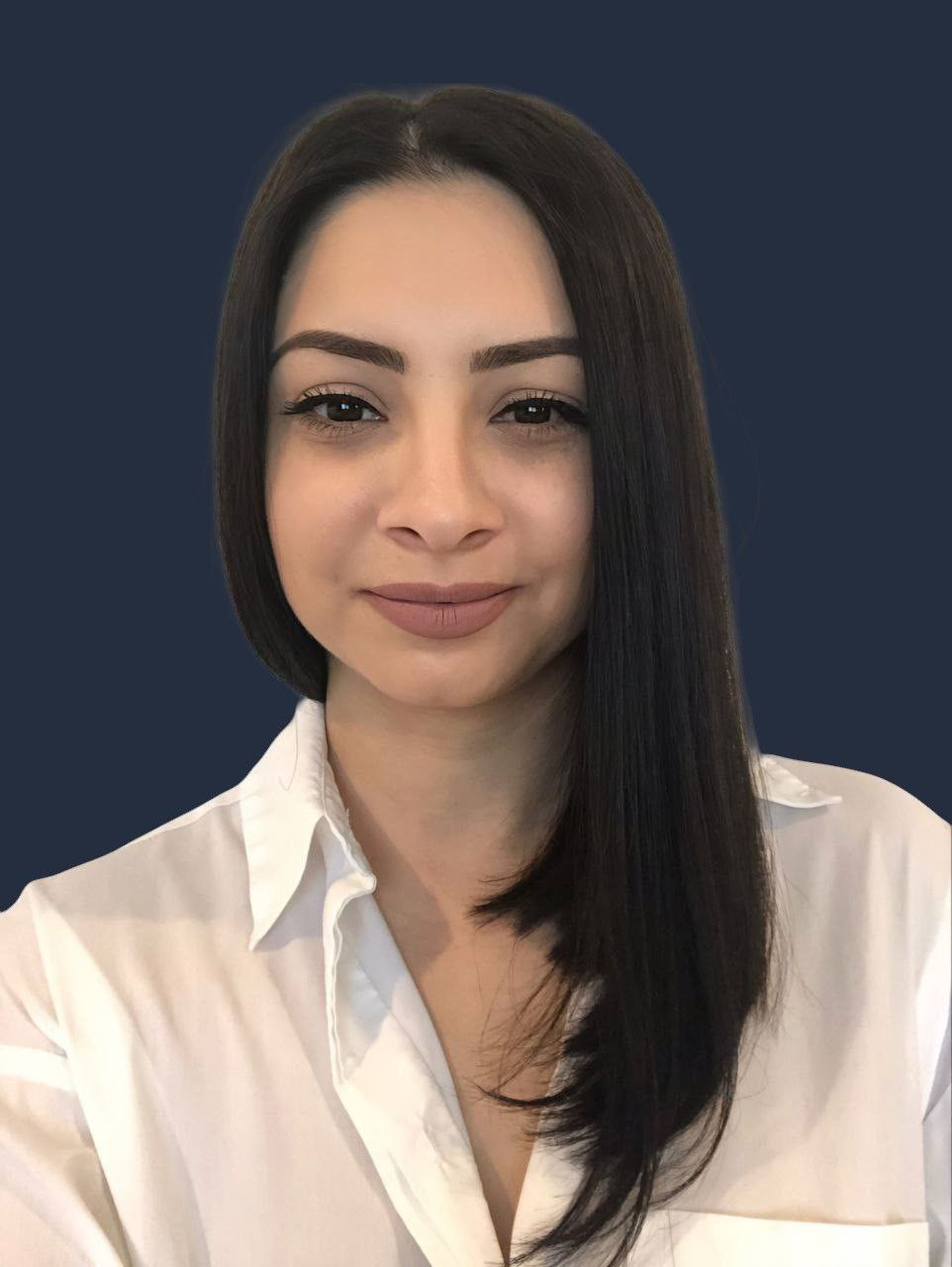 Бухгалтер
Анна Аветисян
×
У Анны более 10 лет опыта в банковском деле, финансах, бухгалтерском учете и аудите. До прихода в Cerberus Legal она работала банкиром и аудитором в нескольких банках США и бухгалтерских/аудиторских фирмах в штате Калифорния.
Специализация:
Банковское дело и финансы, бухгалтерский учет, управление финансами, управление активами, аудит, налогообложение и консалтинг.
Образование:
2019 – Степень бакалавра по бухгалтерскому учету (Университет Вудбери)
Языки:
Английский, Русский, Армянский.
Контакты:
Email: anna.avetisyan@cerberus.legal
Номер телефона: + 998 (90) 044 40 33
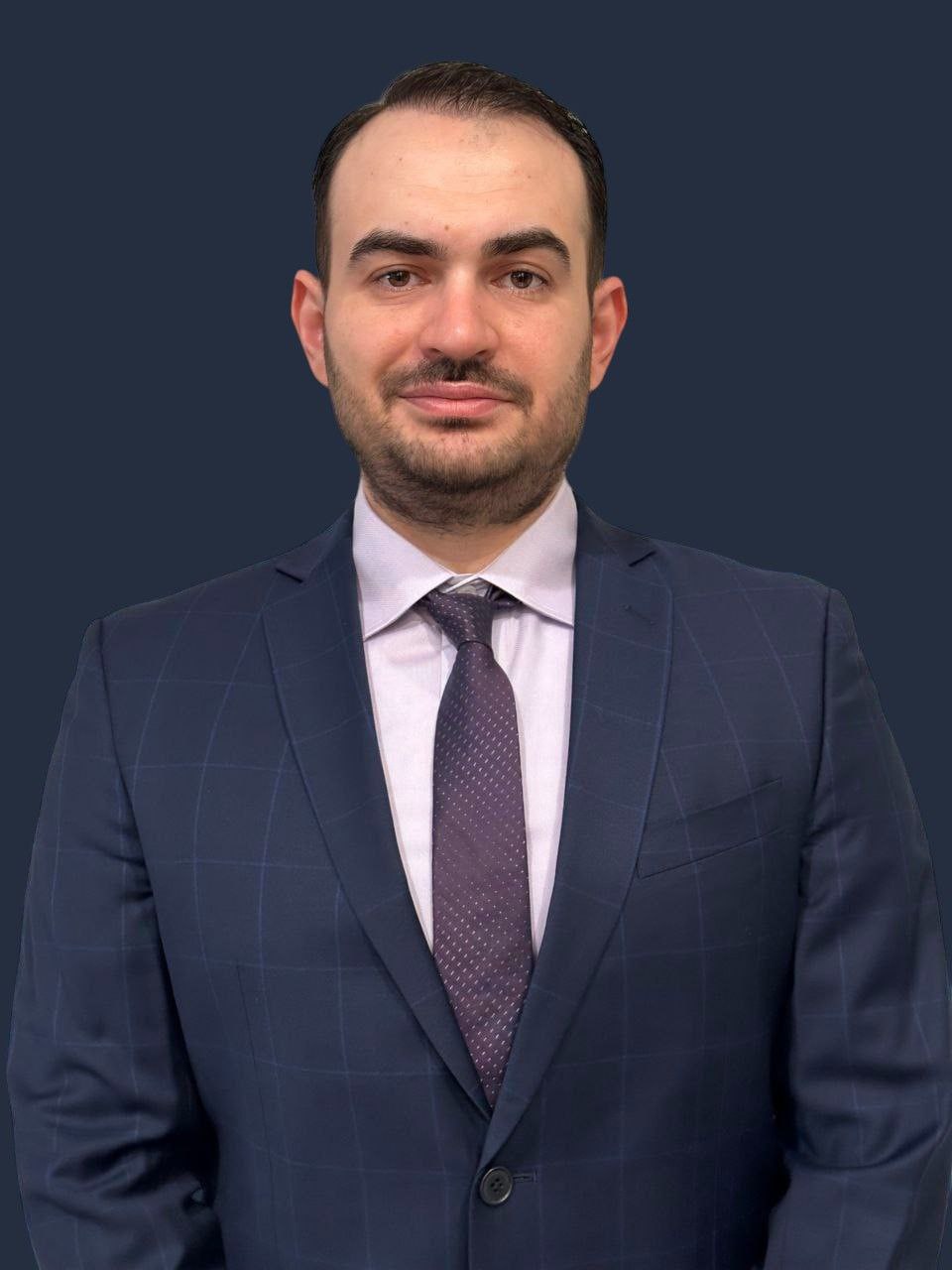 Финансовый аналитик
Эльчин Казимов
×
Эльчин имеет более 15 лет опыта работы в финансовой и банковской сфере. До прихода в Cerberus Legal он работал операционным руководителем, помощником вице-президента, специалистом по работе с клиентами и финансовым аналитиком в крупных банковских учреждениях США, таких как Citi bank, US Bank, City National Bank, Bank of the West и Bank of Montreal и других.
Специализация:
Банковское дело и финансы, управление активами, управление рисками, анализ портфеля, деловые отношения, деловое администрирование, консалтинг.
Образование:
2015 – Степень бакалавра биологических и физических наук (Государственный Университет Калифорний, Нортридж)
2019 – Степень магистра экономического управления (MBA) (Университет Пеппердайн, Бизнес Школа Грациадио)
Языки:
Английский, Русский.
Контакты:
Почта: elchin.kazimov@cerberus.legal
Номер телефона: + 998 (90) 044 40 33
Новости
Новости компании

Interview to “the Times” covering transfer of Abdulkodir Khasanov to Manchester City Football Club.
 We are thrilled to announce that Partner at Cerberus Legal | Uzbekistan and Representative of Uzbekistan Football Association in Europe Mr. Dilshod Ruzmetoff, gave an interview to The Times, the British daily national newspaper covering the most important transfer in Uzbek Football history – Abdukodir Khusanov’s move to Manchester City Football Club from Racing Club de Lens.
Partnership with Shonubi, Musoke & Co. Advocates (Law Firm in Uganda)
On January 18, 2024, in the City of Kampala, The Republic of Uzbekistan and The Republic of Uganda established diplomatic relationship. Both countries expressed an interest to intensify interaction to find beneficial areas of bilateral cooperation.
On October 16, 2024, Uganda’s first-ever Ambassador to Uzbekistan, has officially assumed his duties in Tashkent.
The historic diplomatic milestone was marked by a meeting with Uzbekistan’s Minister of Foreign Affairs. Minister of Foreign Affairs of the Republic of Uzbekistan praised Uganda’s successful chairmanship of the NON-ALIGNED MOVEMENT (NAM) and expressed gratitude for Uganda’s support of Uzbekistan’s upcoming chairmanship of the NAM.
Same day, Uganda’s first-ever Ambassador to Uzbekistan met Deputy Chairman of Chamber of Commerce and Industry of Uzbekistan, who congratulated the ambassador on his appointment and expressed wishes for success in strengthening friendship and strategic partnership between Uzbekistan and Uganda.
The parties discussed the prospects for bilateral cooperation, placing particular emphasis on the agro-industrial sector and the development of trade and economic ties. At the end of the negotiations, it was decided to hold an online meeting between the Chambers of Commerce of the two countries to further discuss interaction issues.
The establishment of diplomatic relations between Uzbekistan and Uganda, marked an important step toward long-term cooperation.
Today, we are thrilled to announce our professional cooperation with Shonubi, Musoke & Co. Advocates, one of the leading law firms in Uganda and East African Region.
Shonubi, Musoke & Co. Advocates is a highly ranked law firm with top tier ranking by IFLR1000, Chamber & Partners and Legal500 in Corporate (M&A), Banking, Finance, Energy, Mining, Oil & Gas, Telecommunications, Tax & Security, Litigation and Arbitration as well as International work.
Shonubi, Musoke & Co. Advocates is associated with Norton Rose Fulbright, a global law firm with more than 3,000 lawyers advising clients across more than 50 locations worldwide.
Special thanks to Ms. Brigitte Kusiima, a rising star by IFLR1000 and a Partner at Shonubi, Musoke & Co. Advocates, and Mr. Vagif Kazimov , a managing partner of Cerberus Legal | Uzbekistan for a hard work and implementation of this cooperation.
We are confident that Uganda and Uzbekistan have a lot of collaboration opportunities and both Shonubi, Musoke & Co. Advocates and Cerberus Legal | Uzbekistan are going to do everything possible to successfully protect current and prospective client’s interests in any fields of Law in both regions.

Partnership with Amie Bensouda & Co LP (Law Firm in the Gambia)
On March 14, 2024, in New York, The Republic of Uzbekistan and The Republic of the Gambia established diplomatic relationship.
Both countries expressed a strong interest to intensify interaction to find mutually beneficial areas of bilateral cooperation.
We are thrilled to announce our professional cooperation with AMIE BENSOUDA & CO LP, one the leading law firms in Gambia and West African Region.
AMIE BENSOUDA & CO LP is a highly ranked law firm with top ranking by IFLR1000, Chambers and Partners and thelawyersglobal in General Business Law, Banking, Disputes, M&A, Commercial, Corporate and Project Development.
Special thanks to Mr. Abdul Aziz Bensouda, a highly ranked professional by Chambers and Partners, a Partner of AMIE BENSOUDA & CO LP, and Mr. Vagif Kazimov, a managing partner of Cerberus Legal | Uzbekistan for a hard work and implementation of this cooperation.
We are confident that Gambia and Uzbekistan have a lot of collaboration opportunities and both AMIE BENSOUDA & CO LP and Cerberus Legal | Uzbekistan are going to do everything possible to successfully protect current and prospective client’s interests in any fields of Law.
Юридические оповещения
Юридические оповещения
Контакты