







Vagif Kazimov is a highly experienced and accomplished legal professional, with a proven track record in managing complex legal departments and providing strategic legal counsel to organizations in multiple sectors, including corporate law, insolvency, and international business. Over the span of his career, Vagif has consistently demonstrated exceptional leadership, legal expertise, and a deep understanding of both local and international legal frameworks.
Personalized
approach
approach
International
experience
experience
Efficient
solutions
solutions

Who We Are
We are Law Experts Dedicated to Our Clients
Сerberus Legal is a boutique law firm offering a wide range of legal and consulting services to both local and foreign enterprises in Uzbekistan.
Our main office is in Tashkent, Uzbekistan, we work with multi-national private and public entities and small and mid-size businesses. Our legal professionals have a broad knowledge of Uzbek and International Law.
Areas of expertise include but are not limited to International Private and Public Law, Employment and Labor Law, Corporate Law, Business Law, Commercial Law, Mergers and Acquisitions, Mediation, Debt Settlement and Dispute Resolutions, Banking and Finance, Real Estate and Construction Law, Legal Due Diligence, Investment, Intellectual Property, and Patent Law.
Legal help
Our Solutions to Your Legal Problems
Fast Help & Advice
Quick and reliable guidance for all your legal needs. We're here to provide expert advice and support when you need it most.
Custom Case Solutions
Personalized legal support tailored to the specifics of your case, ensuring effective and focused outcomes.
Excellent Client Satisfaction
Delivering outstanding service and results, we prioritize our clients' needs to ensure their complete satisfaction.

Legal Experts
Meet the Team
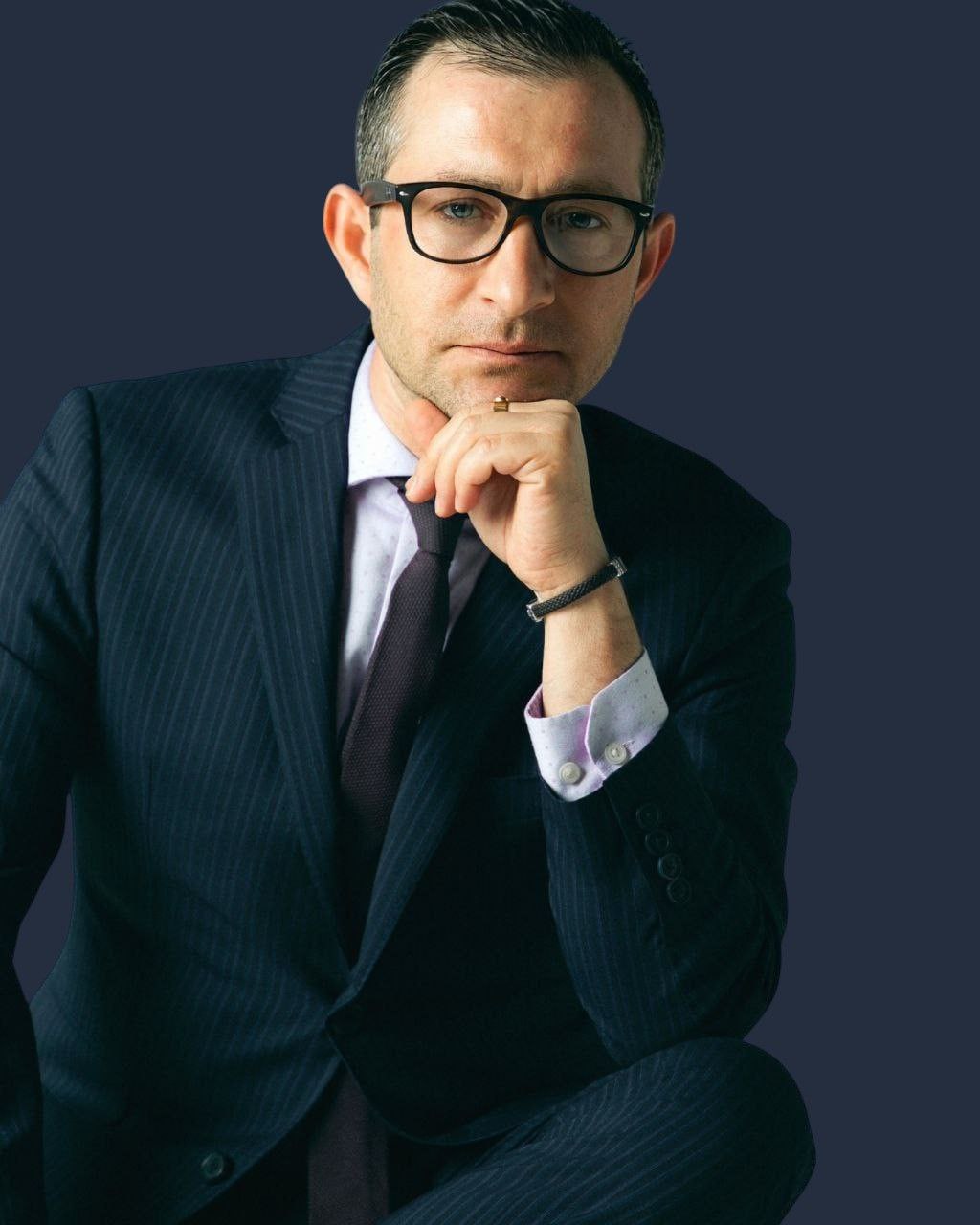 Managing Partner
Vagif Kazimov
×
Practice areas:
Corporate Governance, Mergers & Acquisitions, Investments, Bankruptcy, International Transactions, Legal Due Diligence, Employment and Labor, Mediation
Education:
2001 – LL.B. degree in International Law (University of World Economy and Diplomacy)
2006 – LL.M. degree is International and European Law (Bremen University)
Languages:
English, Russian, Uzbek, German.
Contact details:
Email: vagif.kazimov@cerberus.legal
Phone: + 998 (90) 044 40 33
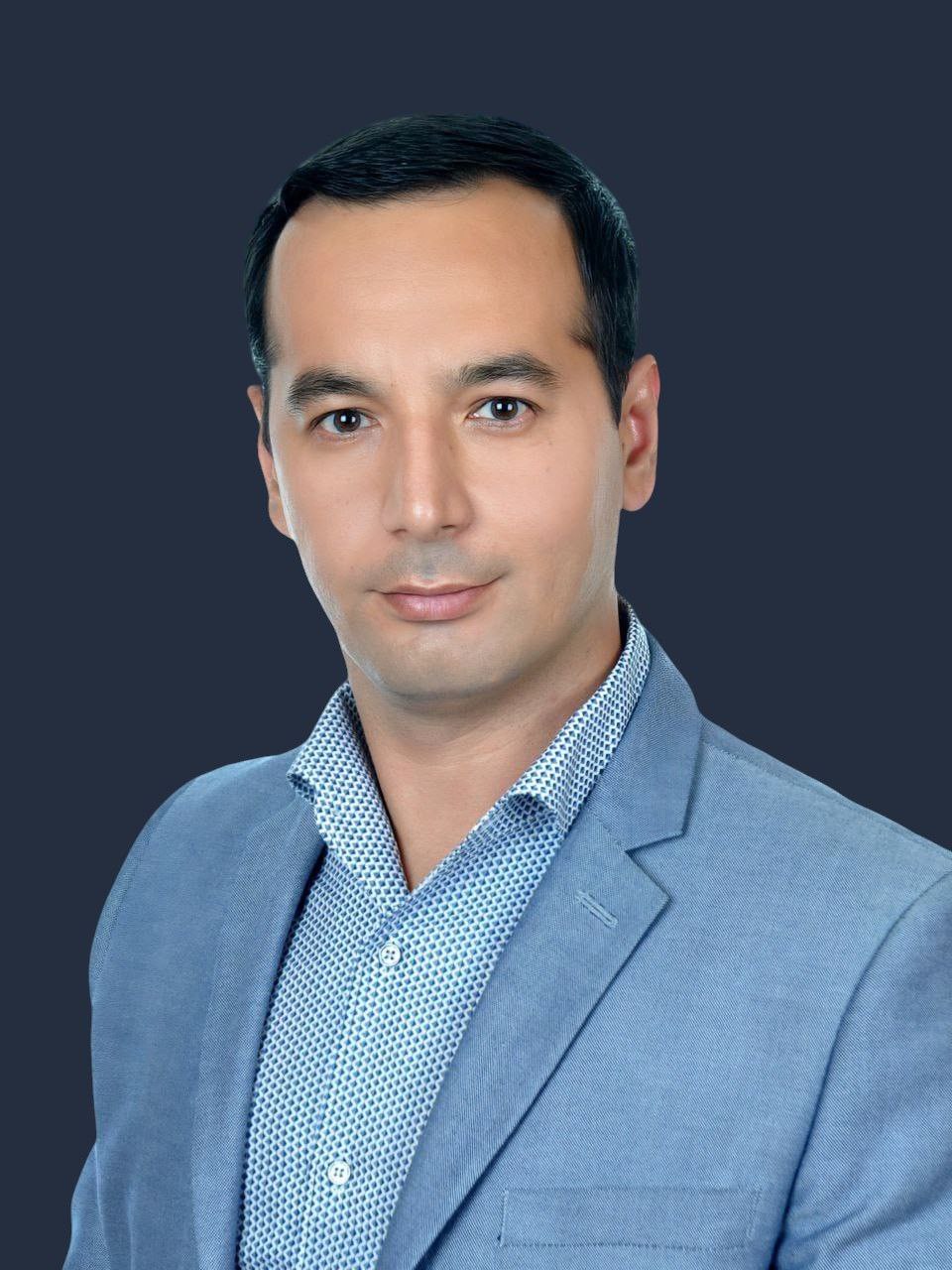 Partner
Dilshod Ruzmetoff
×
Dilshod has over 20 years of legal experience in the field of human rights, consumer protection, antitrust and sports law. Participant of international seminars, trainings and conferences. Co-author of amendments to the Laws of the Republic of Uzbekistan "On Consumer Rights Protection" and "On Advertising". Initiator the lawsuit on compensation for moral prejudice for poor quality services and violations of consumer rights. Author of the only formal-legal judicial precedent on compensation for moral prejudice in Uzbekistan. The precedent was included in the collections of judicial practice of the courts of the Republic of Uzbekistan. Author of sports articles. He is engaged in the preparation and analysis of sports contracts in accordance with the FIFA regulations. As well as pre-trial resolution of conflicts between football clubs and players as a mediator. Prepares documents and claims to FIFA bodies and to the Court of Arbitration for Sport (CAS).
Practice areas:
Sports law, International transactions, Human rights, Civil law, Antitrust law, Consumer protection.
Education:
2001 – LL.B degree in International Law (University of World Economy and Diplomacy)
2003 - LL.М degree in International Law (University of World Economy and Diplomacy)
2011 – LL.M degree is International and European Law (Bremen University)
Languages:
English, Russian, Uzbek, German.
Contact details:
Email: dilshod.ruzmetoff@cerberus.legal
Phone: + 998 (90) 044 40 33
Practice areas:
Sports law, International transactions, Human rights, Civil law, Antitrust law, Consumer protection.
Education:
2001 – LL.B degree in International Law (University of World Economy and Diplomacy)
2003 - LL.М degree in International Law (University of World Economy and Diplomacy)
2011 – LL.M degree is International and European Law (Bremen University)
Languages:
English, Russian, Uzbek, German.
Contact details:
Email: dilshod.ruzmetoff@cerberus.legal
Phone: + 998 (90) 044 40 33
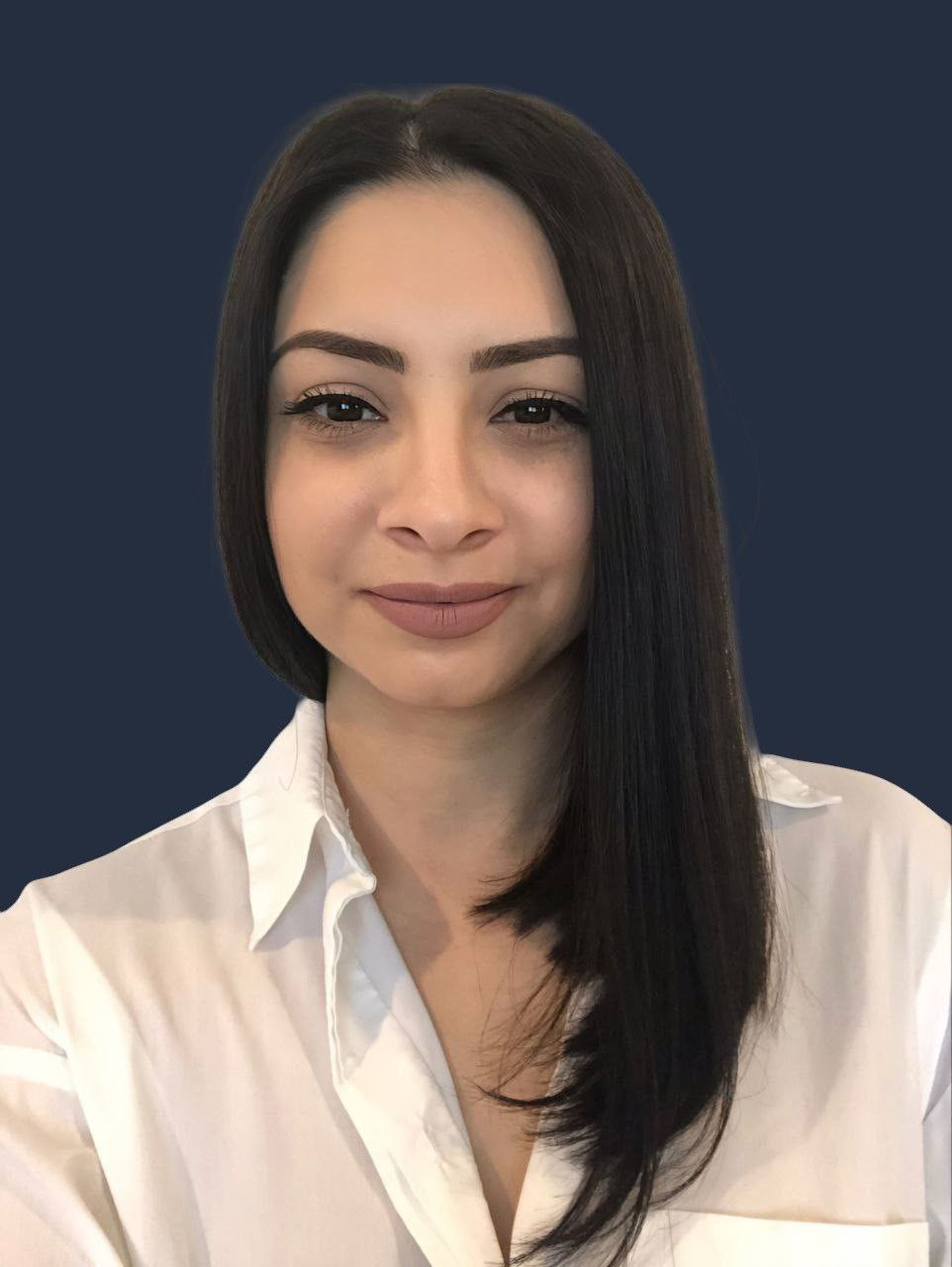 Accountant
Anna Avetisyan
×
Anna has more than 10 years of banking, finance, accounting and auditing experience. Prior to joining Cerberus Legal she was working as a Banker and Auditor for several US banks and Accounting/Auditing firms in State of California.
Practice areas:
Banking and Finance, Accounting, Portfolio Management, Asset Management, Audit, Taxation and Consulting.
Education:
2019 – BS degree in Accounting (Woodbury University)
Languages:
English, Russian, Armenian.
Contact details:
Email: anna.avetisyan@cerberus.legal
Phone: + 998 (90) 044 40 33
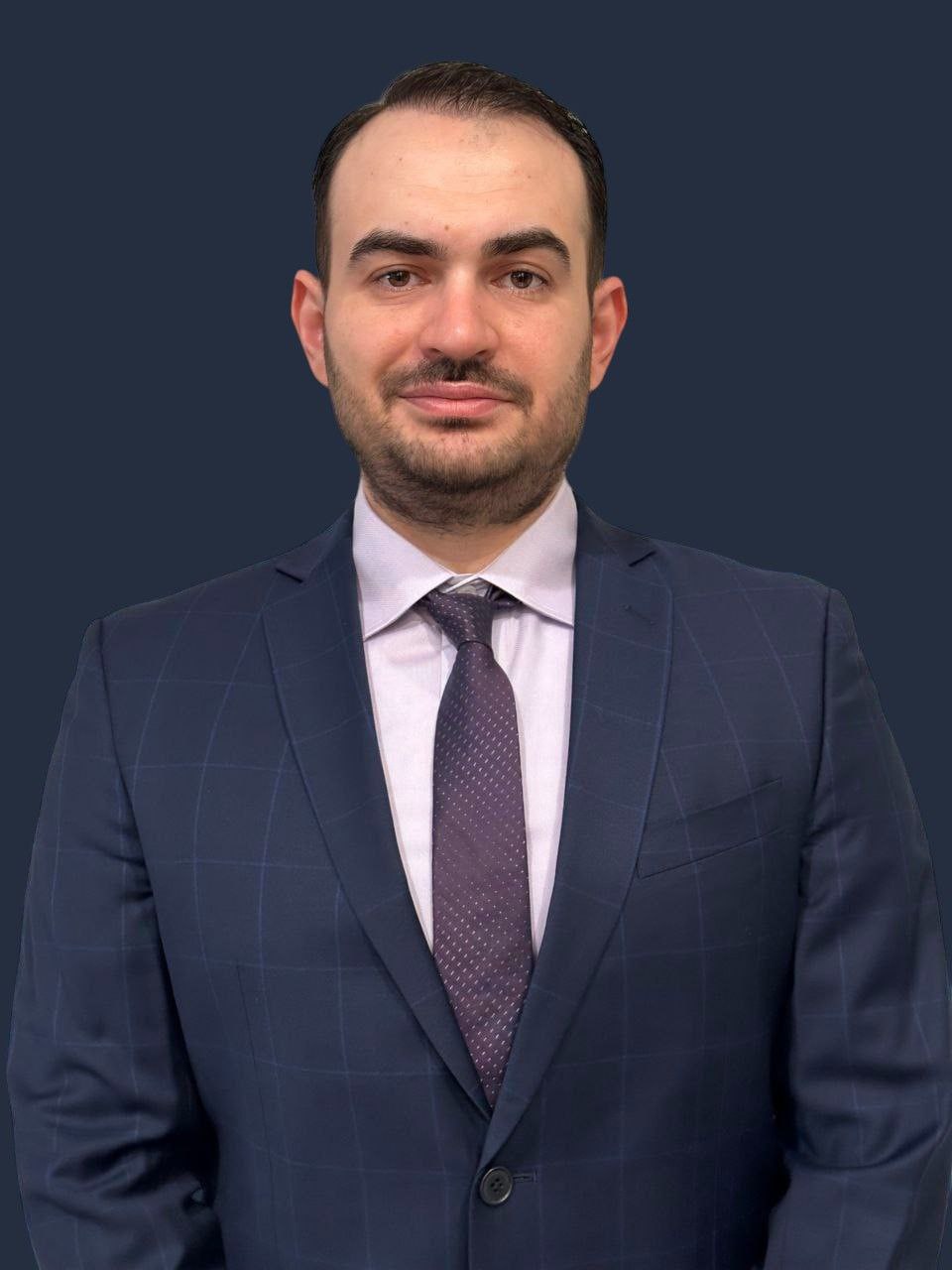 Financial Analyst
Elchin Kazimov
×
Elchin has over 15 years of financial and banking experience. Prior to joining Cerberus Legal he was working as an Operational Supervisor, Assistant Vice-President, Relationship Officer and Portfolio Analyst for major banking institutions of the United States such as Citi bank, US Bank, City National Bank, Bank of the West, and Bank of Montreal and others.
Practice areas:
Banking and Finance, Asset Management, Risk Management, Portfolio Analysis, Business Relations, Business Administration, Consulting.
Education:
2015 – B.S. degree in Biological and Physical Science (California State, University, Northridge)
2019 – MBA degree in Finance (Pepperdine University, Graziadio Business School)
Languages:
English, Russian.
Contact details:
Email: elchin.kazimov@cerberus.legal
Phone: + 998 (90) 044 40 33
News
Company news

Interview to “the Times” covering transfer of Abdulkodir Khasanov to Manchester City Football Club.
 We are thrilled to announce that Partner at Cerberus Legal | Uzbekistan and Representative of Uzbekistan Football Association in Europe Mr. Dilshod Ruzmetoff, gave an interview to The Times, the British daily national newspaper covering the most important transfer in Uzbek Football history – Abdukodir Khusanov’s move to Manchester City Football Club from Racing Club de Lens.
Partnership with Shonubi, Musoke & Co. Advocates (Law Firm in Uganda)
On January 18, 2024, in the City of Kampala, The Republic of Uzbekistan and The Republic of Uganda established diplomatic relationship. Both countries expressed an interest to intensify interaction to find beneficial areas of bilateral cooperation.
On October 16, 2024, Uganda’s first-ever Ambassador to Uzbekistan, has officially assumed his duties in Tashkent.
The historic diplomatic milestone was marked by a meeting with Uzbekistan’s Minister of Foreign Affairs. Minister of Foreign Affairs of the Republic of Uzbekistan praised Uganda’s successful chairmanship of the NON-ALIGNED MOVEMENT (NAM) and expressed gratitude for Uganda’s support of Uzbekistan’s upcoming chairmanship of the NAM.
Same day, Uganda’s first-ever Ambassador to Uzbekistan met Deputy Chairman of Chamber of Commerce and Industry of Uzbekistan, who congratulated the ambassador on his appointment and expressed wishes for success in strengthening friendship and strategic partnership between Uzbekistan and Uganda.
The parties discussed the prospects for bilateral cooperation, placing particular emphasis on the agro-industrial sector and the development of trade and economic ties. At the end of the negotiations, it was decided to hold an online meeting between the Chambers of Commerce of the two countries to further discuss interaction issues.
The establishment of diplomatic relations between Uzbekistan and Uganda, marked an important step toward long-term cooperation.
Today, we are thrilled to announce our professional cooperation with Shonubi, Musoke & Co. Advocates, one of the leading law firms in Uganda and East African Region.
Shonubi, Musoke & Co. Advocates is a highly ranked law firm with top tier ranking by IFLR1000, Chamber & Partners and Legal500 in Corporate (M&A), Banking, Finance, Energy, Mining, Oil & Gas, Telecommunications, Tax & Security, Litigation and Arbitration as well as International work.
Shonubi, Musoke & Co. Advocates is associated with Norton Rose Fulbright, a global law firm with more than 3,000 lawyers advising clients across more than 50 locations worldwide.
Special thanks to Ms. Brigitte Kusiima, a rising star by IFLR1000 and a Partner at Shonubi, Musoke & Co. Advocates, and Mr. Vagif Kazimov , a managing partner of Cerberus Legal | Uzbekistan for a hard work and implementation of this cooperation.
We are confident that Uganda and Uzbekistan have a lot of collaboration opportunities and both Shonubi, Musoke & Co. Advocates and Cerberus Legal | Uzbekistan are going to do everything possible to successfully protect current and prospective client’s interests in any fields of Law in both regions.

Partnership with Amie Bensouda & Co LP (Law Firm in the Gambia)
On March 14, 2024, in New York, The Republic of Uzbekistan and The Republic of the Gambia established diplomatic relationship.
Both countries expressed a strong interest to intensify interaction to find mutually beneficial areas of bilateral cooperation.
We are thrilled to announce our professional cooperation with AMIE BENSOUDA & CO LP, one the leading law firms in Gambia and West African Region.
AMIE BENSOUDA & CO LP is a highly ranked law firm with top ranking by IFLR1000, Chambers and Partners and thelawyersglobal in General Business Law, Banking, Disputes, M&A, Commercial, Corporate and Project Development.
Special thanks to Mr. Abdul Aziz Bensouda, a highly ranked professional by Chambers and Partners, a Partner of AMIE BENSOUDA & CO LP, and Mr. Vagif Kazimov, a managing partner of Cerberus Legal | Uzbekistan for a hard work and implementation of this cooperation.
We are confident that Gambia and Uzbekistan have a lot of collaboration opportunities and both AMIE BENSOUDA & CO LP and Cerberus Legal | Uzbekistan are going to do everything possible to successfully protect current and prospective client’s interests in any fields of Law.
Legal alerts
Legal alerts
Contact